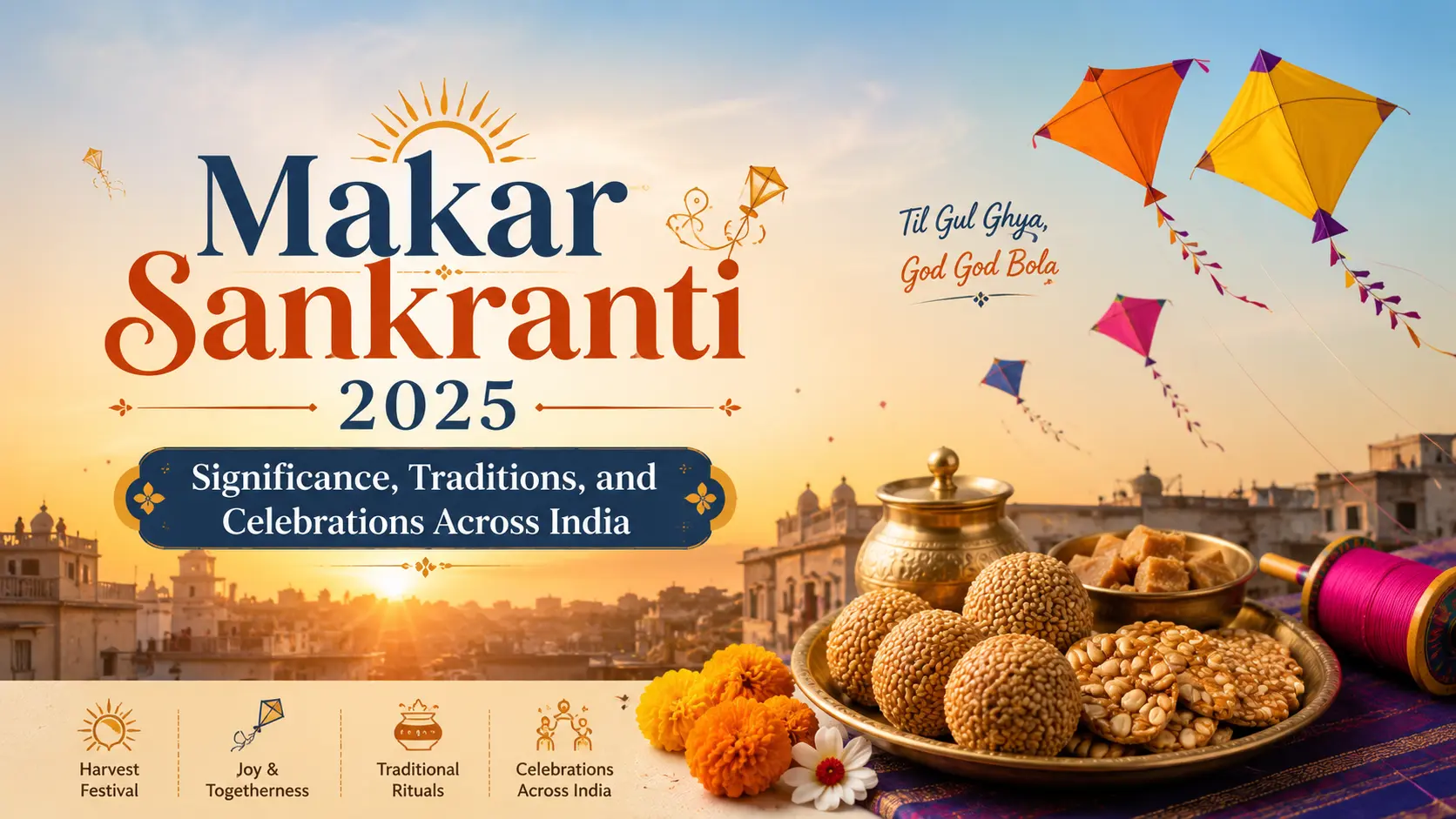
Every year, as the cold of winter begins to slowly loosen its grip and the sun starts its northward journey across the sky, India erupts in colour, warmth, and celebration. Kites fill the air. Sesame and jaggery sweets are shared between neighbours. Bonfires glow in village courtyards. Rivers become pilgrimage sites for millions. This is Makar Sankranti — one of the oldest, most widely celebrated, and most spiritually significant festivals in the Indian calendar.
In 2025, Makar Sankranti falls on Tuesday, 14th January — and across the length and breadth of India, millions of families will mark this day with rituals, feasts, prayers, and the kind of community celebration that only India's festival culture can produce.
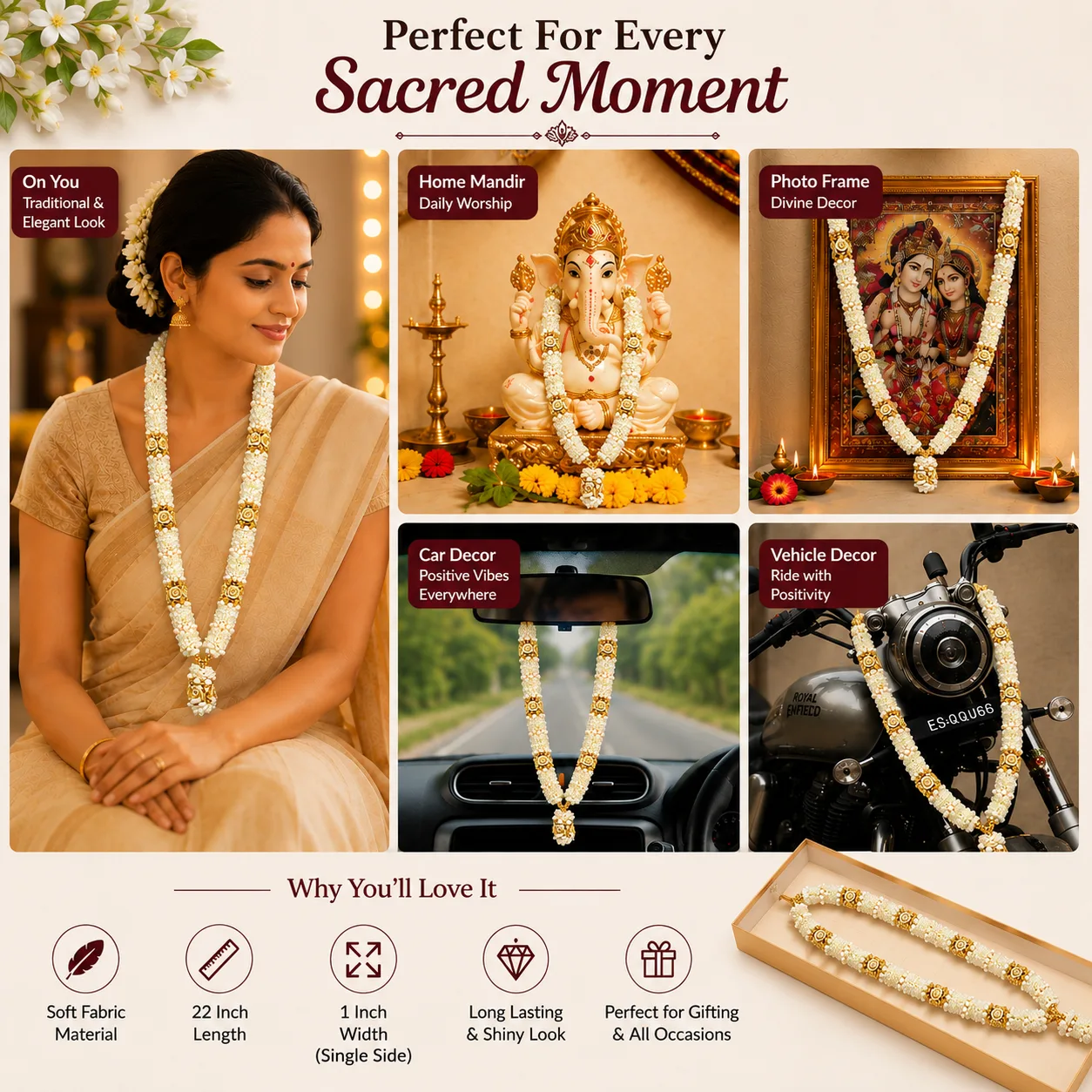
Premium Handmade Decorative Mala for Temple, Photo Frame & Bridal Decor Garland
At KraftX, we believe festivals are not just occasions — they are opportunities to connect, to give, and to bring something meaningful into the homes of the people we love. This Makar Sankranti, we invite you to celebrate with intention — and gift with purpose.
But first, let us understand what Makar Sankranti truly means.
What Is Makar Sankranti? The Astronomical and Spiritual Significance
Makar Sankranti is one of the few Hindu festivals that follows the solar calendar rather than the lunar calendar — which is why it falls on or around January 14th every year, with very little variation.
The name itself tells the story: Makar means Capricorn (the zodiac sign), and Sankranti means transition or movement. Makar Sankranti marks the moment when the Sun transitions from Sagittarius (Dhanu) into Capricorn (Makar) — a movement known as the Uttarayan, or the northward journey of the Sun.

Premium Artificial Photo Frame Mala in Navy Blue & Cream | Wedding Varmala Garland for God Idol | Soft Fabric Flower Garland
In Hindu cosmology and the Vedic tradition, this transition is enormously significant:
The end of Dakshinayana and the beginning of Uttarayan. The six months preceding Makar Sankranti are known as Dakshinayana — the southern journey of the Sun, considered a period of darkness, introspection, and spiritual practice. Makar Sankranti marks the end of this period and the beginning of Uttarayan — the six months of the Sun's northward movement, considered auspicious, bright, and ideal for new beginnings.
The day of the gods. According to Hindu scripture, one human year equals one day and one night for the gods — with Uttarayan being the day and Dakshinayana being the night. Makar Sankranti is therefore the dawn of the divine day — an especially auspicious moment for prayer, charity, and spiritual practice.
The Bhishma connection. In the Mahabharata, Bhishma Pitamah — who had the boon of choosing his own time of death — waited on his bed of arrows through the months of Dakshinayana specifically to breathe his last during Uttarayan. This story underlines the belief that souls departing during Uttarayan achieve moksha (liberation) more readily.
Harvest and gratitude. On a more earthly level, Makar Sankranti coincides with the harvest season across much of India. Farmers celebrate the gathering of their crops — particularly sugarcane, sesame, and rice — with gratitude to the Sun god, Surya, whose light and warmth made the harvest possible.
This layering of astronomical, mythological, and agricultural significance makes Makar Sankranti one of the most holistic festivals in the Indian tradition.
Makar Sankranti 2025 — Date, Muhurat, and Timing
Date: Tuesday, 14th January 2025
Sankranti Moment: The Sun enters Makar (Capricorn) at a specific muhurat — the exact time varies slightly by year and is calculated by Vedic astronomers (panchang).
Punya Kaal: The auspicious period for bathing, charity, and prayer on Makar Sankranti typically begins at sunrise and extends through the day, with the early morning hours considered most potent.
Maha Punya Kaal: A shorter, especially powerful window within Punya Kaal — ideal for taking a holy dip, performing puja, and making donations (daan).
For the most accurate local muhurat timings, refer to your regional panchang or trusted Vedic calendar source.
How Makar Sankranti Is Celebrated Across India — Regional Traditions
One of the most fascinating aspects of Makar Sankranti is that while it is celebrated across virtually the entire country, it wears a completely different face in each region. The same astronomical event — the Sun's entry into Capricorn — is celebrated through dozens of distinct regional traditions, each with its own name, rituals, foods, and cultural flavour.
Maharashtra — Tilgul and "Tilgul Ghya, God God Bola"
In Maharashtra, Makar Sankranti is marked by the exchange of tilgul — small sweets made from sesame seeds (til) and jaggery (gul). The traditional greeting exchanged while offering tilgul is "Tilgul ghya, god god bola" — "Take this tilgul and speak sweetly." It is a beautiful tradition that uses the sweetness of food as a metaphor for the sweetness of relationships. Women also exchange black beads, cotton, and sugarcane as part of the Haldi-Kumkum ceremony.
Gujarat and Rajasthan — Uttarayan and the Kite Festival
In Gujarat, Makar Sankranti is called Uttarayan and is perhaps the most visually spectacular celebration of the festival anywhere in India. The skies of Ahmedabad, Surat, and cities across Gujarat fill with thousands of kites of every colour and size — from dawn to dusk and even into the night with illuminated kites. The International Kite Festival held in Ahmedabad during this time draws participants from around the world. Rajasthan celebrates similarly, with rooftop kite battles and the smell of til ke laddoo filling every neighbourhood.
Punjab — Lohri (the eve of Sankranti)
In Punjab, the celebration actually begins the evening before Makar Sankranti, on Lohri (January 13th). Bonfires are lit in open spaces and communities gather around them, tossing sesame seeds, popcorn, and rewri into the flames while singing traditional Lohri songs. Lohri is especially celebrated for newborns and newlyweds in the family. The next morning — Makar Sankranti — is marked with prayers, dips in sacred water, and the eating of khichdi (a dish of rice and lentils), which gives the festival another of its regional names in northern India: Khichdi.
Uttar Pradesh and Bihar — Khichdi and the Ganga Snan
In Uttar Pradesh and Bihar, Makar Sankranti is widely known as Khichdi — named after the dish that is both cooked and donated on this day. Taking a holy dip in the Ganga, Yamuna, or Sangam at Prayagraj is considered extremely auspicious. The Magh Mela at Prayagraj — one of the largest annual pilgrimages in the world — begins around Makar Sankranti. Millions of pilgrims gather to bathe at the Triveni Sangam, believing that a dip at this confluence on this day washes away sins and brings spiritual merit.
Tamil Nadu — Pongal, the Four-Day Festival
In Tamil Nadu, Makar Sankranti takes the form of Pongal — a four-day harvest festival that is arguably the most important festival in Tamil culture. Each day has its own name and ritual: Bhogi (the day before, when old things are burned), Thai Pongal (the main day, when the new rice harvest is cooked in a pot until it overflows — symbolising abundance), Mattu Pongal (honouring cattle), and Kaanum Pongal (a day for family outings and reunion). Kolam (rangoli) patterns decorate every doorstep, and the smell of freshly cooked pongal rice fills every home.
Andhra Pradesh and Telangana — Sankranti with Haridasu and Kite Flying
In Andhra Pradesh and Telangana, Sankranti is a three-day festival combining harvest thanksgiving, kite flying, and the tradition of Haridasu — wandering musicians who go door to door singing devotional songs in praise of Lord Vishnu. Decorated cattle are paraded through villages, and elaborate kolam rangoli patterns are drawn outside homes.
Karnataka — Ellu Bella and Sugarcane
Karnataka's Sankranti tradition involves the exchange of ellu bella — a mixture of sesame seeds, jaggery, dry coconut, peanuts, and fried gram — shared between friends, family, and neighbours with the greeting "Ellu bella thindu, olle maathaadi" ("Eat sesame-jaggery and speak good words"). Sugarcane is also distributed and eaten as part of the harvest celebration.
West Bengal — Poush Sankranti and Pithe-Puli
In West Bengal, Makar Sankranti is called Poush Sankranti and is celebrated primarily through the making and eating of pithe — traditional rice-flour sweets stuffed with coconut and jaggery. These sweets are made at home in dozens of regional variations and are a beloved part of Bengali winter culture.
The Common Thread — What Every Sankranti Celebration Shares
Despite the astonishing diversity of regional traditions, every Makar Sankranti celebration across India shares a few common threads:
Gratitude to the Sun. Surya — the Sun god — is honoured on this day across all regions. The Sun's northward journey is celebrated as a return of light, warmth, and life.
Sesame and jaggery. Til (sesame) and gur (jaggery) appear in some form in almost every regional Sankranti tradition — as sweets, as offerings, or as donations. Sesame is considered warming and purifying in Ayurveda, ideal for the winter season.
Charity and daan. Giving on Makar Sankranti — food, clothes, money, or goods — is considered especially meritorious. The tradition of daan (donation) is central to the festival's spiritual meaning.
Water and purification. Holy dips in rivers, ponds, or even a bucket of water with sesame seeds added are practiced across regions as a ritual of purification on this auspicious day.
Community and togetherness. Whether through kite flying, bonfire gatherings, sweet exchanges, or festival meals — Makar Sankranti is fundamentally a festival of community. It brings people out of their homes and into shared celebration.
Makar Sankranti Gifting — What to Give This Season
Gifting on Makar Sankranti is a growing tradition, particularly in urban India where the festival is as much a social occasion as a religious one. The question is: what do you give that is meaningful, auspicious, and truly memorable?
Here are the most thoughtful gifting ideas for Makar Sankranti 2025:
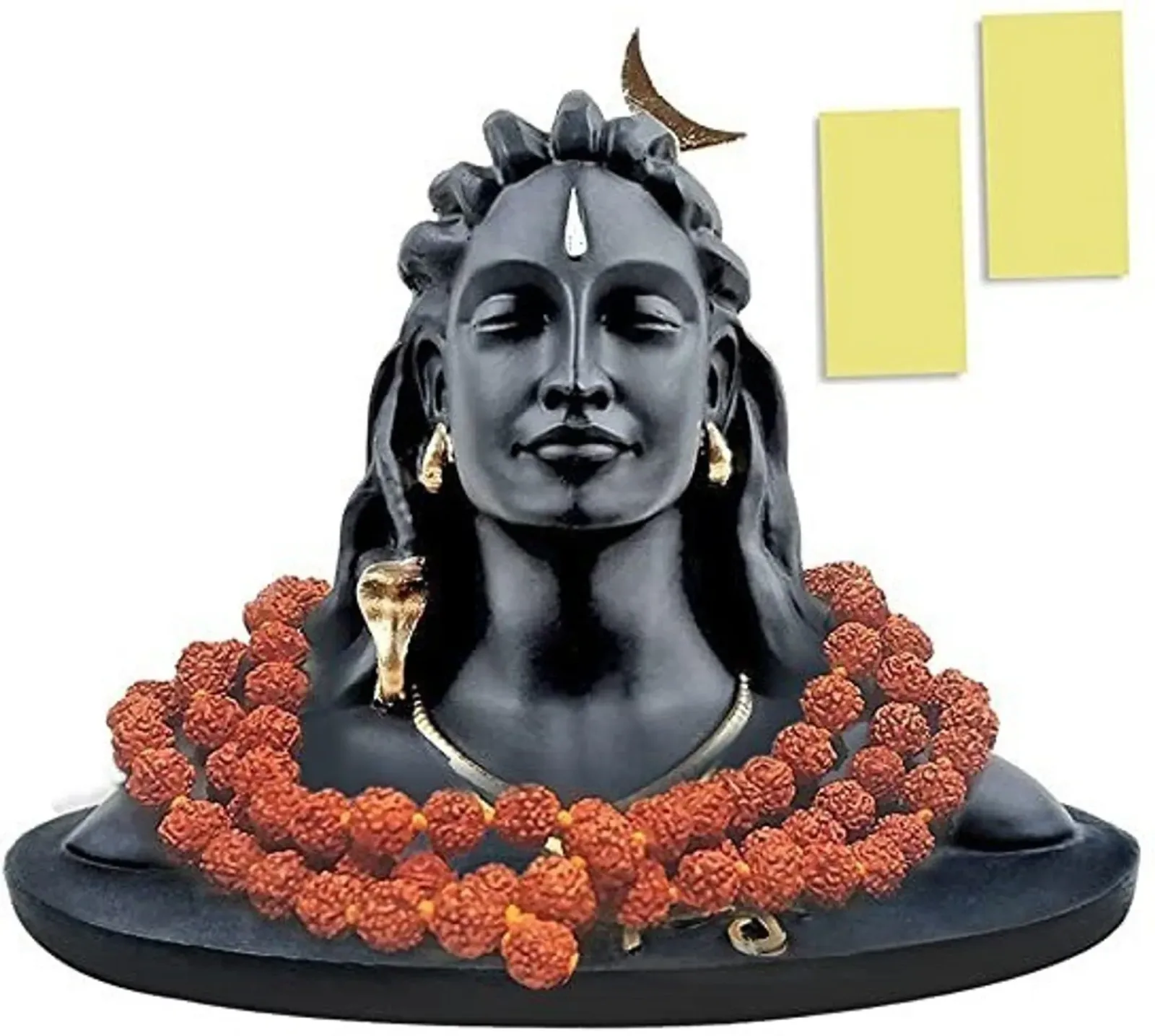
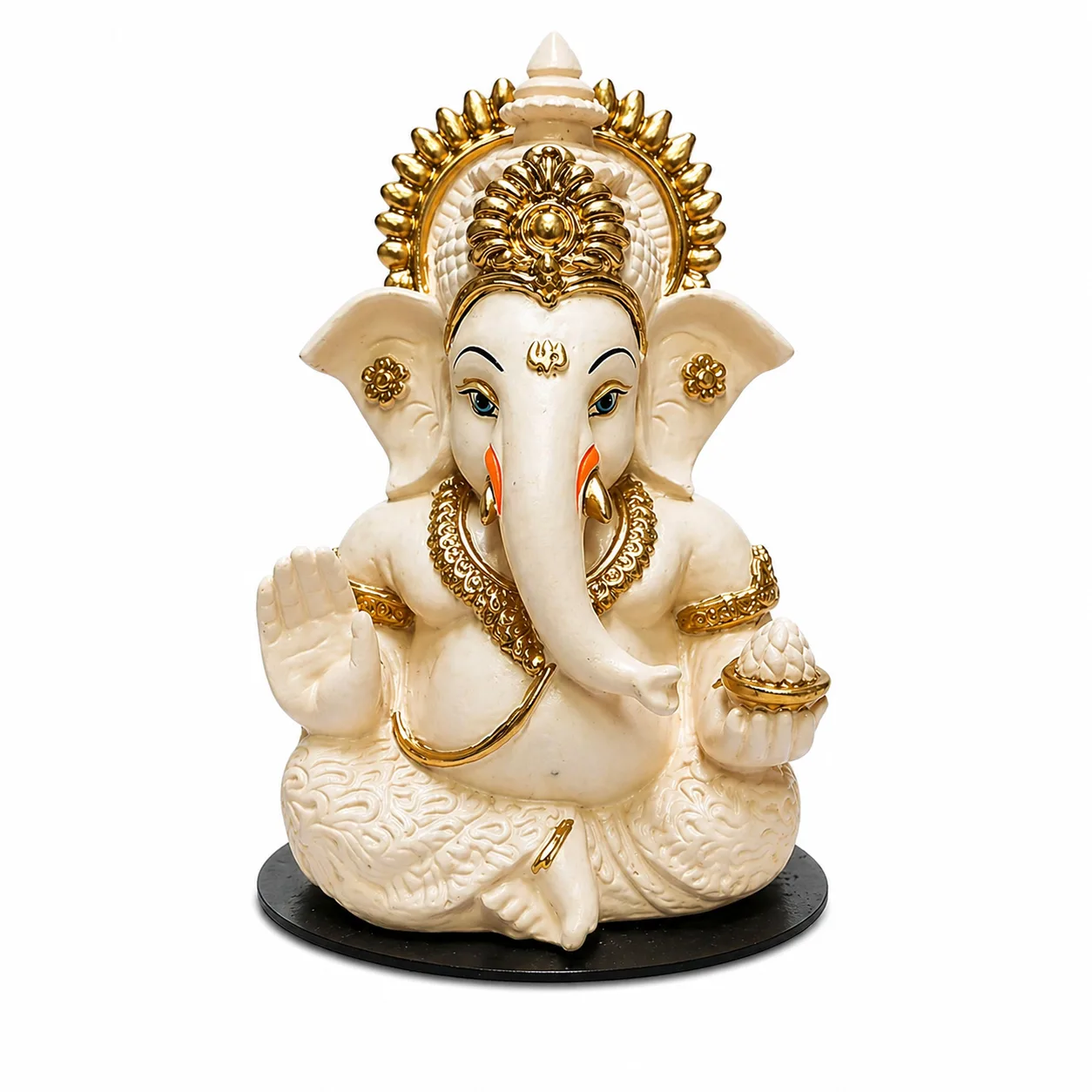
Handcrafted devotional idols — For family members who are devotees, a beautifully handcrafted idol of their chosen deity is a gift that will be cherished for years. It fits perfectly into the spirit of Uttarayan — a new beginning, a fresh auspicious energy in the home.
Handmade home décor — Artisan-made decorative pieces that bring colour, craft, and cultural identity into a home are deeply appreciated as festival gifts.
Artisan sweets and food hampers — Traditional til-gur sweets, peanut chikki, and regional Sankranti foods packaged beautifully make for warm, culturally rooted gifts.
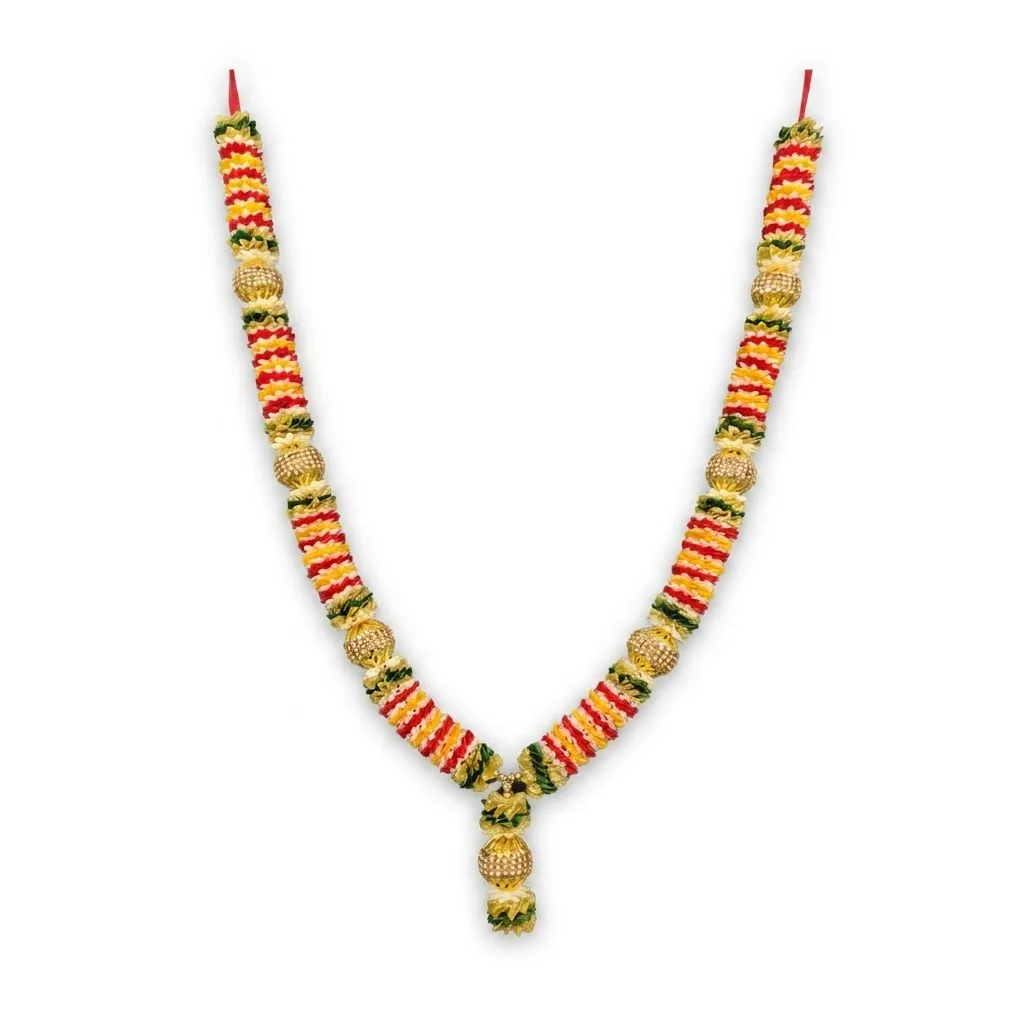
Flower malas and decorative garlands — Artificial flower garlands for home mandirs and photo frames make for a practical, beautiful, and long-lasting festival gift.
Celebrate Makar Sankranti 2025 With KraftX — Handcrafted Gifts by Indian Artisans
At KraftX, every product we make is handcrafted by skilled Indian kaarigars — artisans who bring genuine craft, care, and cultural knowledge to every piece. This Makar Sankranti, we invite you to gift something that carries a real story.
Whether you are looking for a handcrafted Adiyogi Shiva idol for a Shiva devotee in your family, a decorative artificial flower mala for a home mandir, or a handmade gifting item that stands apart from mass-produced alternatives — KraftX has something made with intention, made with hands, and made in India.
Why gift KraftX this Makar Sankranti?
- Every piece is handmade by a skilled Indian kaarigar
- Authentic artisan craft — not factory produced
- Meaningful gifting that supports local livelihoods
- Wide range of devotional and decorative products
- Pan-India delivery — your gift arrives on time
Premium Handmade Satin Ribbon Garland for Photo Frame & God Idol | Artificial Multicolor Mala for Photo Frame, God, Mandir, Murti and Temple
₹599 ₹1,199Premium Handmade Decorative Mala for Temple, Photo Frame & Bridal Decor Garland
₹449 ₹999Premium Artificial Photo Frame Mala in Navy Blue & Cream | Wedding Varmala Garland for God Idol | Soft Fabric Flower Garland
₹449 ₹999
This Uttarayan, as the Sun begins its northward journey and the season of auspiciousness begins — bring home something handcrafted. Bring home KraftX.
👉 Shop Makar Sankranti gifts at thekraftx.com
KraftX is an Indian handcraft brand connecting skilled local artisans with modern buyers. Every product is handmade, every kaarigar is valued, and every purchase supports authentic Indian craftsmanship.